
Three Powerful Tricks to Make Your Online Advertising Actually Work
Let’s be honest: most online ads are invisible. We’ve all developed a kind of “banner blindness,” scrolling past promotions with a practiced, unconscious flick of the thumb. As a business, this creates a terrifying reality: you’re pouring budget into a void, hoping something sticks. But what if you could hack the system? Not with shady shortcuts, but with a deeper understanding of how people actually think and behave online.
Forget generic tips about “knowing your audience” or “using keywords.” We’re going deeper. Here are three powerful, often overlooked tricks that can transform your online advertising from background noise into a compelling conversation.
Trick #1: The “Flip” – Target Psychographics, Not Just Demographics
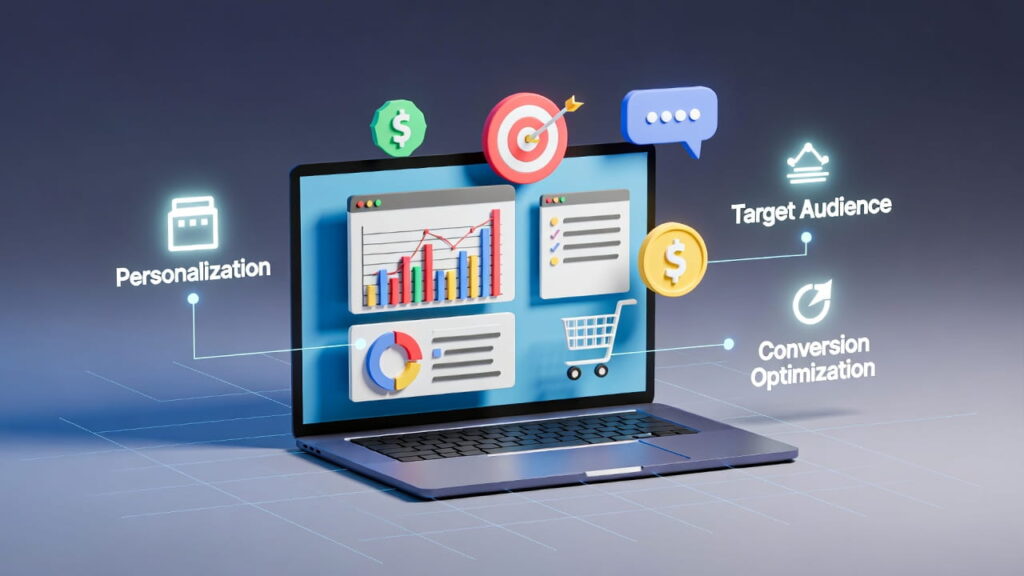
Most advertising starts with demographics: age, location, gender, income. It’s a good foundation, but it’s like trying to find a needle in a haystack with a sledgehammer. You’ll hit some hay, but you’ll miss the needle.
The Trick: Flip your targeting to focus on psychographics the values, interests, lifestyles, and pain points of your ideal customer. You’re targeting a mindset, not just a birth year.
Why It Works:
Two people can be 35-year-old women living in Denver with similar incomes. One is a minimalist outdoor enthusiast who values sustainability and experiences over possessions. The other is a luxury fashion lover who follows trendsetters and enjoys urban dining. An ad for a high-end reusable camping kit would fail for the second woman, despite her demographic “match.” Platforms like Facebook, Instagram, and Pinterest offer incredibly detailed psychographic targeting options.
How to Do It:
Leverage Interest Stacking: Don’t just target “yoga.” Target people interested in yoga + Lululemon + The Chopra Center + mindful eating. This creates a composite picture of a dedicated wellness enthusiast, not just a casual dabbler.
Use Pain Point Language: Create ads that speak to a specific frustration. For a project management software, instead of targeting “small business owners,” target users interested in productivity blogs (Asana, Trello) and show an ad with the headline: “Tired of endless status update emails?”
Case in Point: A high-end dog food brand might target demographics for “dog owners, 30-50, high income.” The psychographic flip would target interests like The Bump (a parenting site) + Whole Foods + Cesar Milan + local hiking groups. This targets owners who view their pets as family and invest in premium, health-conscious products.
The Takeaway: Stop thinking about who your customer is. Start thinking about what they believe in and what keeps them up at night. Your ads will resonate on a profoundly more personal level.
Trick #2: The “Sequential Story” – Don’t Just Launch an Ad, Orchestrate a Journey

Imagine meeting someone who immediately proposes marriage. You’d run. Yet, in advertising, we often do the digital equivalent: a cold audience sees an ad for the first time, and we ask them to “Buy Now!” The conversion rate is, unsurprisingly, anemic.
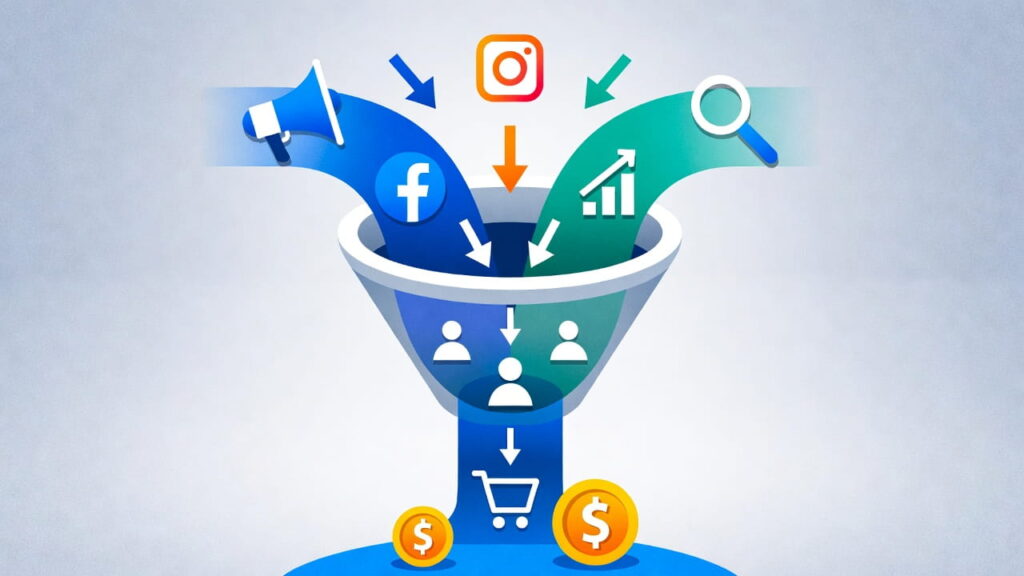
The Trick: Use sequential retargeting to tell a multi-act story across multiple ads. Guide your audience from awareness to consideration to conversion with a logical, paced narrative.
Why It Works:
It respects the customer’s journey. It builds familiarity and trust. By the time they see your final “offer” ad, they’ve been pre-sold through education and engagement.
How to Do It:
Act I: Awareness (Top of Funnel): Target a cold audience with a high-value, low-commitment piece of content. This is a blog post, an engaging video “explainer,” or an intriguing infographic. The goal is not a sale, but a view or an engagement. Example: A financial advisor runs a video ad: “3 Common Retirement Myths Debunked in 90 Seconds.”
Act II: Consideration (Middle of Funnel): Now, retarget everyone who watched that video (say, for more than 50%) with a deeper dive. This is a case study, a detailed guide, or a webinar invitation. You’re proving your expertise. The financial advisor now serves an ad for a free downloadable guide: “Your Personal Tax-Efficient Retirement Checklist.”
Act III: Conversion (Bottom of Funnel): Finally, retarget the subset that downloaded the guide. They’re warm and informed. Now you serve the direct offer: “Book a Free Retirement Plan Consultation.” The click-through rate on this ad will be exponentially higher than if it had been their first introduction to you.
The Takeaway: Map out a three-part story for your product or service. Use platform tools (like Facebook’s custom audiences or Google’s customer match) to move people through the chapters. Be a storyteller, not a carnival barker.
Trick #3: The “Social Proof” Engine – Weaponize Authenticity
In a world of polished lies, authenticity is your superpower. The most powerful marketing isn’t what you say about yourself it’s what others say about you. But simply having a reviews page isn’t enough.
The Trick: Proactively build and integrate user-generated content (UGC) and social proof directly into your advertising creative. Make it the star of the show.
Why It Works:
Nielsen research consistently shows that consumers trust recommendations from people like themselves (earned advertising) over 80% more than any brand content. An ad featuring a real customer’s video, photo, or testimonial breaks through skepticism instantly.
How to Do It:
Run UGC-First Ad Campaigns: Instead of a sleek studio photo, use an ad creative that is a carousel of customer-submitted photos. A clothing brand can run an Instagram ad with the copy: “How real people style our Classic Tee. 👇 Tag us with #MyBrandStyle for a chance to be featured!”
Embed Reviews in Video Ads: Create short, snappy video ads that start with a provocative question (“Tired of software that slows you down?”) and immediately cut to a text-on-screen quote from a real G2 or Capterra review: “‘Cut our reporting time by 70%’ – Sarah, Project Manager.” Then show your product.
Leverage Micro-Influencers Authentically: Don’t just seek mega-celebrities. Find niche influencers with 10k-100k highly engaged followers who genuinely love your product. Their endorsement feels like a friend’s recommendation. Give them creative freedom; their authentic voice is what you’re paying for.
The Takeaway: Your customers are your best salespeople. Create systems (hashtags, contests, review prompts) to collect their stories, and then have the confidence to let that authentic, imperfect content be the face of your paid advertising. It’s the ultimate trust signal.
Conclusion: It’s About Psychology, Not Just Technology
These tricks aren’t about outsmarting algorithms; they’re about connecting with humans. The “Flip” recognizes that we identify with our passions, not our age bracket. The “Sequential Story” understands that trust is built over time, not in a single impression. The “Social Proof Engine” taps into our innate reliance on community and shared experience.
Online advertising tools are incredibly sophisticated, but they are just that tools. The real power lies in wielding them with human insight. Stop shouting generic messages into the crowd. Start having tailored, respectful, and authentic conversations. That’s when you stop being just another ad and start becoming a welcome part of someone’s online world.

Leave a Comment