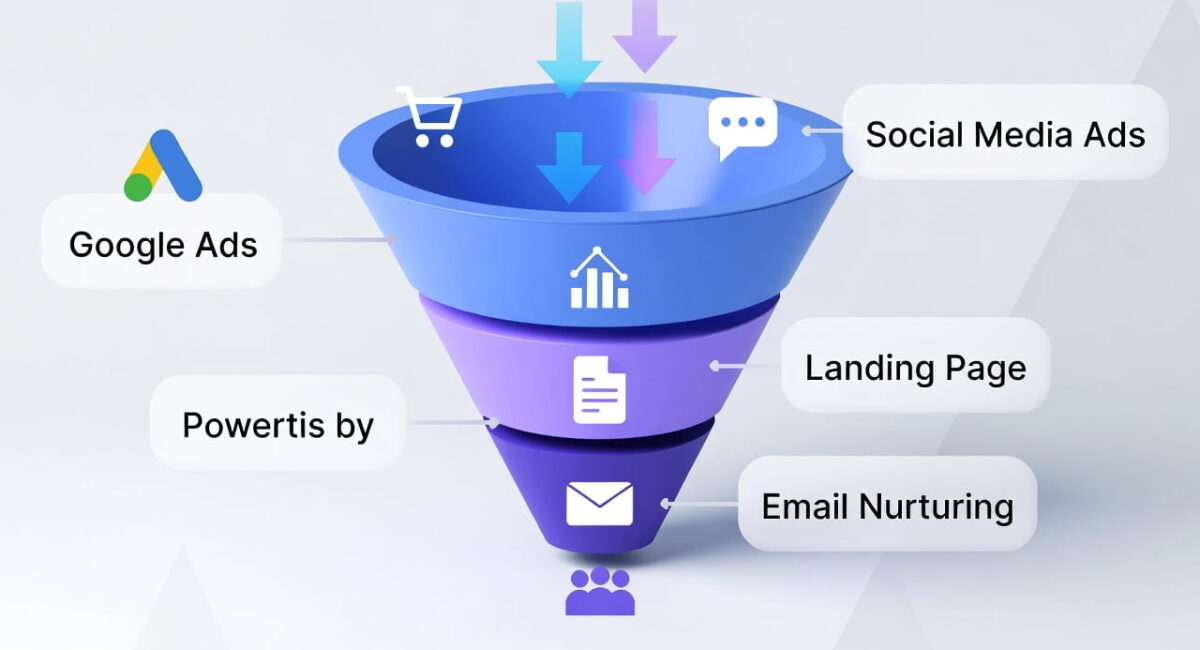
How Strategic Advertising Fuels Your Business Pipeline
Generating a steady stream of qualified leads can feel like trying to fill a bathtub with a teaspoon. You might have a great product, a beautiful website, and a dedicated team, but if potential customers don’t know you exist, growth is a slow, frustrating grind. This is where advertising stops being an optional expense and becomes your engine for growth. Done right, it’s not just about broadcasting a message—it’s about starting a targeted conversation that turns strangers into prospects, and prospects into loyal customers.
What Does “Advertising for Leads” Actually Mean?
First, a crucial shift in mindset. Traditional brand advertising aims to make you feel good about a soda or a car. Lead generation advertising is different. Its sole purpose is to elicit a specific, valuable action that signals interest. This action the “lead” could be a downloaded ebook, a webinar sign-up, a free trial request, or a direct inquiry. You’re trading something of value (information, a tool, a consultation) for a permission-based introduction.
Think of it as building a bridge between your audience and your sales process. Advertising is the brightly lit, well-signposted on-ramp to that bridge.
The Pillars of Effective Lead-Gen Advertising
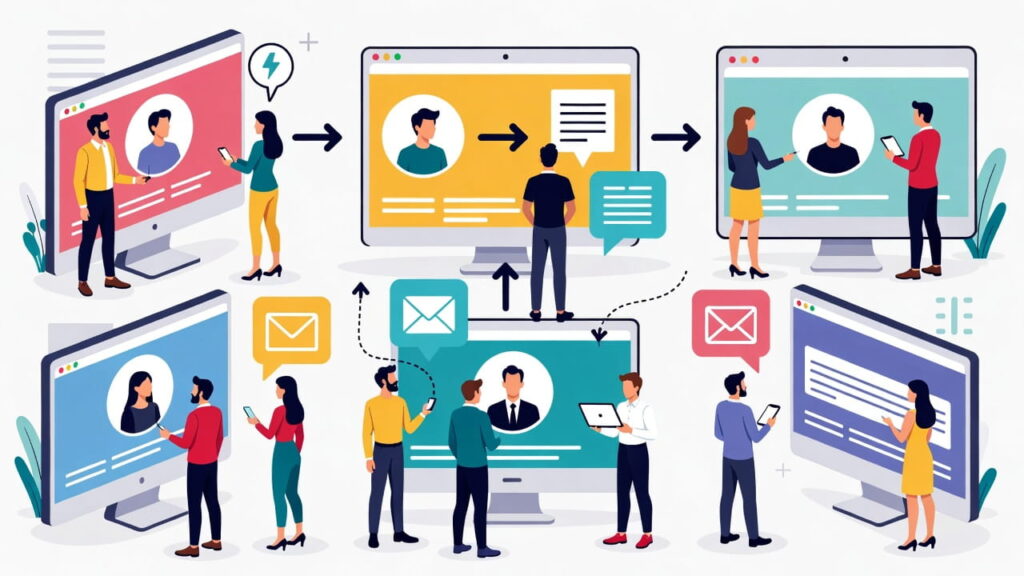
Throwing money at an ad platform and hoping for the best is a recipe for burnout and poor ROI. Successful campaigns are built on four foundational pillars.
1. Know Your Audience (Beyond Demographics)
You can’t attract leads if you don’t know who you’re talking to. Move beyond basic demographics (age, location) and build a detailed buyer persona. What are their daily challenges? What keeps them up at night? Where do they go for information (LinkedIn groups, industry podcasts, specific forums)?
Example: A B2B software company doesn’t just target “IT Managers.” They target “IT Managers at mid-sized manufacturing firms who are frustrated with outdated, inefficient inventory tracking systems and are actively researching cloud-based solutions.” This specificity is your superpower.
2. Choose Your Battlefield: Selecting the Right Channels
Not all advertising platforms are created equal. Your choice should be dictated by where your buyer persona spends their time and attention.
- Search Engine Advertising (Google Ads): The quintessential “intent-based” channel. You’re capturing people at the very moment they’re typing “best CRM for small business” or “how to reduce employee turnover.” This is high commercial intent, making it a prime lead source.
- Social Media Advertising (LinkedIn, Meta, etc.): Fantastic for awareness and targeted nurturing. LinkedIn is unparalleled for B2B, allowing you to target by job title, company size, and industry. Meta’s platforms (Facebook, Instagram) excel at B2C and visual storytelling, using detailed interest-based targeting.
- Display & Remarketing: The “follow-up” network. These banner ads follow users who have visited your website but didn’t convert. It’s a powerful reminder, keeping your brand top-of-mind as they browse elsewhere.
- Content & Native Advertising: This involves promoting your valuable content (like a killer industry report) on platforms like Taboola or Outbrain, or within relevant online publications. It attracts leads by offering help first.
3. Craft a Compelling Offer (Your “Lead Magnet”)
Your ad might get a click, but your offer gets the conversion. This is the value exchange. A weak offer (“Sign up for our newsletter!”) often underperforms against a strong, relevant one.
Strong offers solve an immediate, specific problem:
- “The Ultimate Checklist for Securing VC Funding” (for a startup law firm).
- “Free Kitchen Design Consultation & 3D Render” (for a high-end remodeling company).
- “Free ROI Calculator: See How Much You Could Save with Our HVAC System” (for an energy solutions provider).
The more targeted and valuable the offer feels, the higher your conversion rate will be.
4. The Conversion Engine: Landing Pages & Follow-Up
This is where many campaigns stumble. Sending ad traffic to your generic homepage is like inviting someone to a party and then leaving them alone on the front lawn. You need a dedicated landing page.
This page must be:
- Consistent: It should visually and verbally match the ad that brought them there.
- Focused: Remove all navigation links that might distract. The only goal is conversion.
- Compelling: Clearly restate the benefit of the offer and use a simple, prominent form.
- Trustworthy: Include testimonials, security badges, or a brief privacy promise.
And once you have the lead? The clock starts ticking. Implementing an automated email sequence (often called a nurture campaign) that delivers the promised content and gradually introduces your services is critical. According to HubSpot, companies that excel at lead nurturing generate 50% more sales-ready leads at a 33% lower cost.
Real-World Insights: What the Data Tells Us
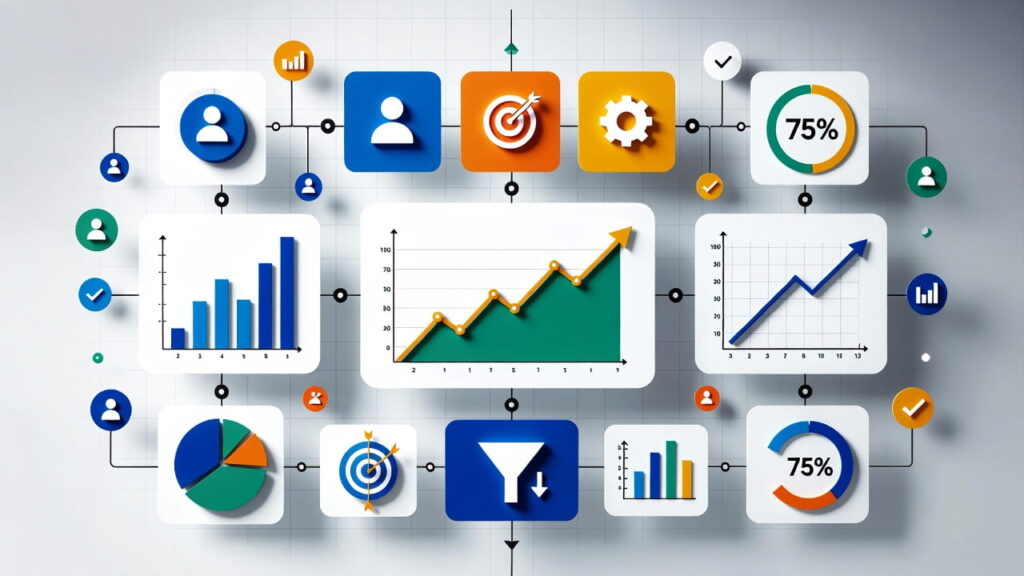
- Specificity Wins: A study by WordStream found that Google Ads click-through rate (CTR) can double when using highly specific, long-tail keywords versus generic ones.
- Visuals Matter: Social media ads with video consistently see higher engagement. LinkedIn reports that video ads can drive a 30% higher conversion rate in some cases.
- The Follow-Up is Key: The Harvard Business Review noted that companies that contact potential customers within an hour of receiving an inquiry are nearly 7 times as likely to qualify the lead as those that waited even 24 hours.
Putting It All Together: A Simple Campaign Flow
Imagine “Acme Analytics,” a company selling data visualization software to marketing agencies.
- Persona: “Marketing Director Chloe,” who struggles to create clear, client-facing reports from messy spreadsheet data.
- Channel: LinkedIn Ads, targeting marketing directors at agencies with 10-50 employees.
- Ad Creative: A short video ad showing the frustrating “before” (a chaotic spreadsheet) and the impressive “after” (a clean, interactive Acme dashboard).
- Offer: “The 5-Template Pack for Winning Client Reporting.”
- Landing Page: A simple page with the video, bullet points of what’s in the template pack, and a short form (just name, email, company).
- Follow-Up: An instant email with the template pack. Two days later, an email with a case study of a similar agency that uses Acme. Five days later, an offer for a personalized 15-minute dashboard demo.
This systematic approach turns ad spend into a predictable pipeline of interested, nurtured leads.
Conclusion: Advertising as a Conversation, Not a Megaphone
Increasing business leads with advertising is less about shouting your message from the rooftops and more about strategically placing a series of helpful signposts that guide the right people to your door. It requires empathy to understand your audience’s pain points, creativity to craft an irresistible offer, and discipline to build a seamless journey from first click to first conversation.
Start small. Define one clear persona, choose one primary channel, and create one exceptional offer. Measure, learn, and optimize. When you view advertising not as a cost, but as the most direct investment you can make in your business’s growth engine, you unlock its true potential to fill your pipeline with opportunity, one qualified lead at a time.

Leave a Comment